SpaceX Starship Launch: What Flight 15 Reveals About the Future of Space
SpaceX Starship Launch: What Flight 15 Reveals About the Future of Space
The 15th Starship test flight was more than another rocket launch. It was a test of whether humanity could one day send a giant spacecraft into orbit, bring it home and fly it again.
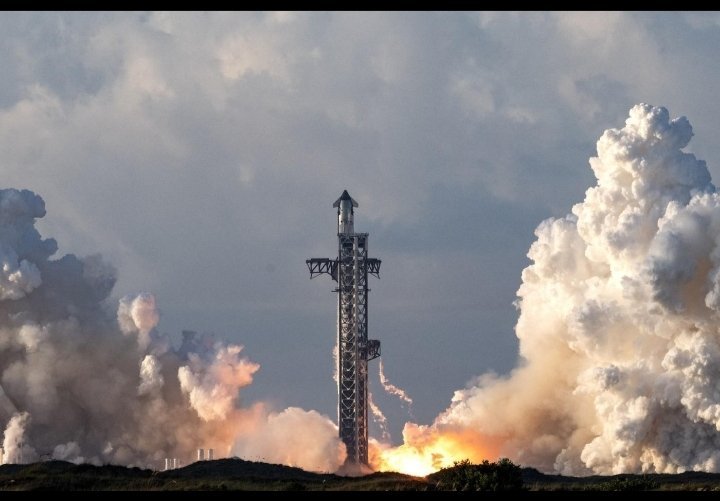
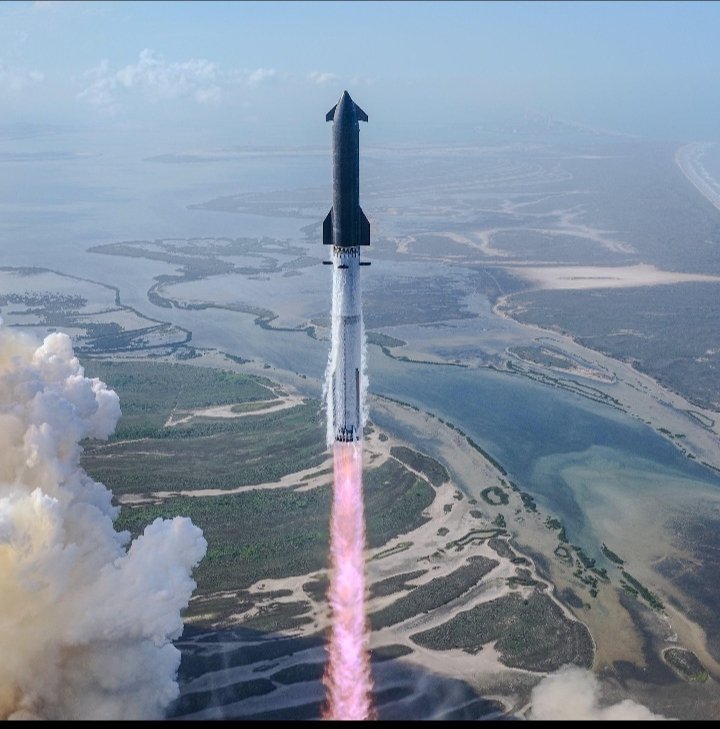
On November 13, 2026, SpaceX launched Starship Flight 15 from Starbase, Texas. The mission carried an ambitious objective: demonstrate a new level of rocket reusability by attempting to bring both the Super Heavy booster and the Starship spacecraft back to their launch site.
It was a remarkable experiment. But, as often happens in the business of space exploration, the result was a mixture of achievement and disappointment.
The rocket reached orbit, deployed satellites and gathered valuable flight data. However, the Super Heavy booster did not complete its planned return to the launch tower.
For SpaceX, success was not simply about reaching the sky. It was about learning how to return from it.
What Is SpaceX Starship?
Starship is the enormous spacecraft and rocket system developed by SpaceX under the leadership of Elon Musk.
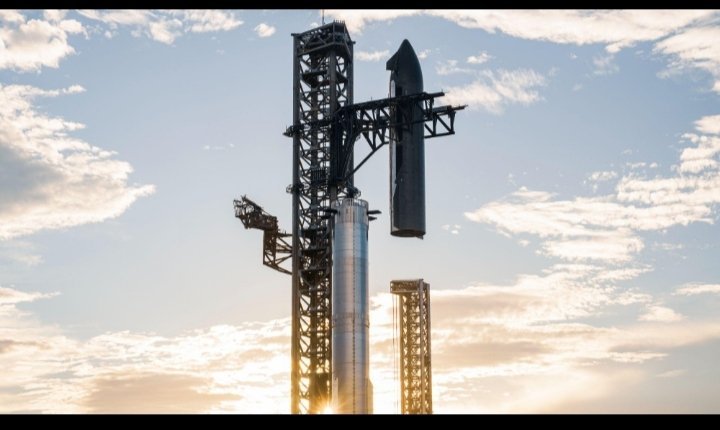
It has two main parts:
-Super Heavy: The powerful first-stage booster that lifts the spacecraft away from Earth.
-Starship: The upper spacecraft designed to travel into orbit and eventually carry people and cargo to the Moon and Mars.
Unlike traditional rockets that discard major sections after launch, Starship is designed to be fully reusable.
Think of an ordinary rocket as a vehicle that gets used for one journey and then thrown away. SpaceX wants to build something closer to an aeroplane: a vehicle that can return, undergo checks and fly again.
That is the real ambition behind the SpaceX launch programme.
SpaceX Flight 15: What Happened During the Launch?
The spacex starship 15 mission launched on November 13, 2026. It was one of the company's most ambitious flight tests.
The rocket successfully reached orbit approximately 27 minutes after launch.
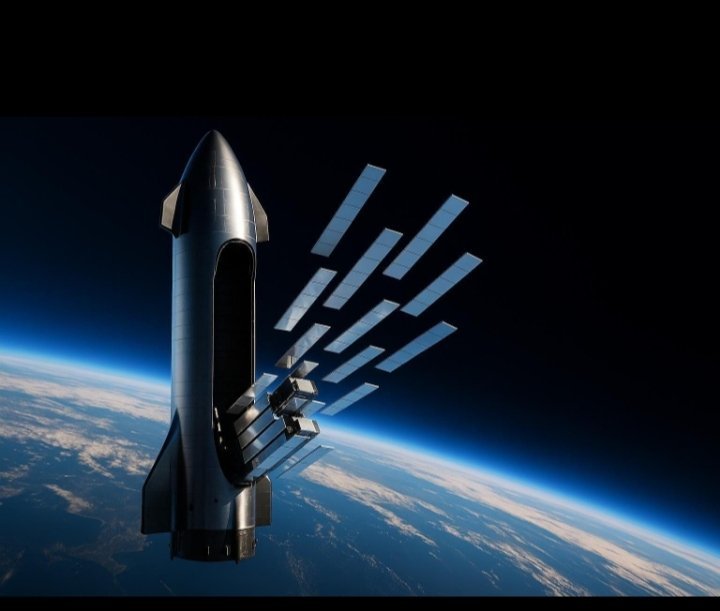
It also released 26 Starlink V3 satellites, an important achievement for SpaceX's satellite internet business.
However, the booster experienced a navigation problem during its return journey. It failed to return to the launch tower and was lost over the Gulf of Mexico.
The spacecraft continued its journey.
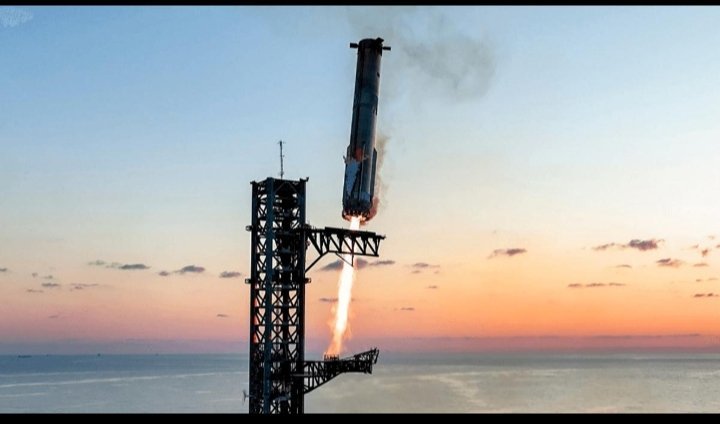
On November 14, something extraordinary happened: the Starship upper stage returned from orbit and was caught by the mechanical arms of its launch tower.
This was a historic achievement for SpaceX.
For the first time, the company demonstrated an orbital return and tower catch of the Starship spacecraft.
The mission therefore achieved an important milestone, although the planned recovery of both rocket stages was not completed.
The Technology Behind Mechazilla
One of the most interesting features of the Starship programme is its launch tower, popularly known as Mechazilla.
It has two enormous mechanical arms that can catch returning rocket stages.
Why would anyone want to catch a rocket instead of allowing it to land on the ground?
The answer is efficiency.
Traditional landing systems need landing legs and additional equipment. SpaceX's tower-catching approach is designed to reduce the amount of hardware carried by the rocket.
It could also make inspection and preparation for another flight easier.
There is an important distinction, however: catching a spacecraft once does not automatically prove that it can be reused quickly and economically.
That is the next challenge.
Why Are 26 Starlink V3 Satellites Important?
Starship Flight 15 was not just a rocket experiment. It also carried a commercial purpose.
The mission included 26 Starlink V3 satellites.
According to SpaceX, each satellite is designed to add approximately 1 terabit of capacity to its satellite network.
Together, these satellites represent a significant expansion opportunity.
This is where the business strategy becomes interesting.
SpaceX is developing its rockets while also operating a satellite internet network. Its rockets can potentially transport its own satellites into orbit.
In simple words, the company is building both the delivery vehicle and the business that needs the delivery.
That combination could become one of its biggest competitive advantages.
Elon Musk's ambitions for Starship extend far beyond satellite launches.
The spacecraft is being developed for several purposes:
-Transporting large satellites into orbit.
-Carrying cargo and astronauts.
-Supporting NASA's future lunar exploration programme.
+Eventually supporting human missions to Mars.
NASA has selected Starship as part of its Artemis lunar landing programme.
But several difficult engineering challenges remain, including orbital refuelling, heat-shield reliability and repeated vehicle reuse.
A successful landing is a milestone, not a completed journey to Mars.
SpaceX Share, SpaceX Stock and SpaceX Share Price
Space exploration is attracting attention from investors as well as scientists.
There is an important development here: SpaceX is no longer a privately held company.
SpaceX completed its initial public offering in June 2026. Its Class A shares began trading on June 12, 2026, on Nasdaq under the ticker symbol SPCX.
The company announced approximately $85.7 billion in gross proceeds from its offering.
The spacex share price changes during market trading. Investors should check the latest market quotation rather than relying on an old price.
More importantly, Starship's technological success does not guarantee that SpaceX stock will increase in value. Investors must also consider costs, competition, revenue and business risks.
What Comes After Starship Flight 15?
The next important objective is repeatability.
SpaceX must demonstrate that it can:
-Recover both rocket stages reliably.
-Inspect and reuse the vehicles.
-Reduce the time between launches.
-Make orbital refuelling practical.
-Carry out regular commercial missions.
These achievements would make Starship more than an impressive engineering experiment.
They could change the economics of space transportation.
Final Thoughts
The story of Starship is not simply about a giant rocket travelling into space.
It is about changing our relationship with space.
For decades, launching something into orbit meant spending enormous amounts of money on equipment that was largely discarded afterwards.
SpaceX wants to change that system.
Starship Flight 15 showed both sides of this ambition. The booster recovery failed, but the spacecraft achieved its first orbital return and tower catch.
There is something rather remarkable about a machine leaving Earth, travelling around the planet and returning to the very tower from which it began.
The journey to Mars remains long, expensive and uncertain. But with every test, SpaceX is learning something that yesterday's engineers could only imagine.
And perhaps the most interesting question is no longer whether humanity can reach space.
It is how often we will be able to return.
Online and home tutors for 2,700+ subjects. Book a free trial class today. tutormitra.com →